Eye-tracking study confirms: Bump influences sustainable food choices
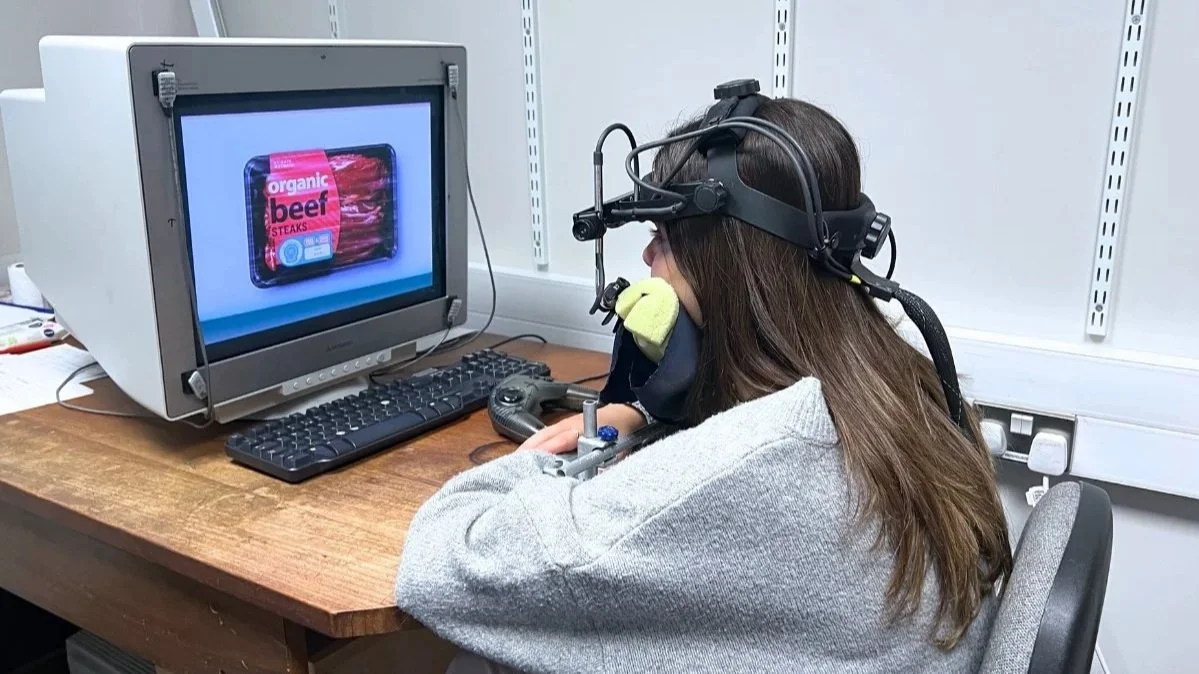
Photo credit: University of Reading
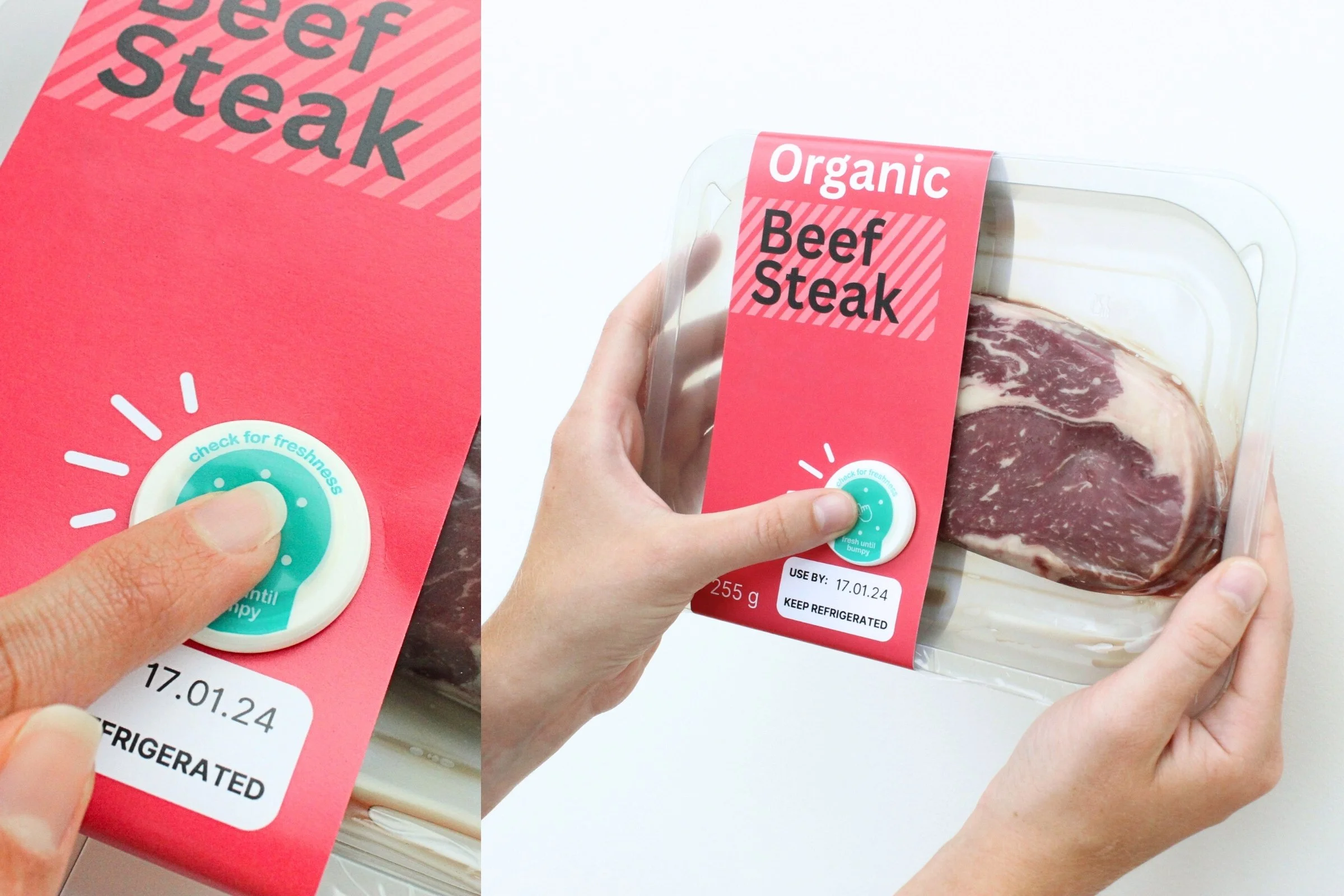
Can our Bump freshness label change the way people interact with food, helping them make more sustainable food choices? A new study using eye-tracking technology by the University of Reading, confirms it can. It found that people trust Bump, find it clear and easy to use and see it as adding value by supporting fresher choices, safer decisions and less waste.
The research explored how consumers respond to novel food technologies such as Bump – our temperature-sensitive freshness label on food packaging that becomes bumpy when the food actually spoils by responding to changing storage conditions. Rather than replacing expiry dates, Bump helps brands and producers safely print longer dates based on reasonable storage, with Bump warning if poor storage has shortened that time.
Bump can reduce tremendous amounts of waste and support a more sustainable food system, but only if people pay attention to it – and the eye-tracking results show that people did use it when making food choices. By allowing food producers to print longer dates, Bump encourages more sustainable behaviour and contributes to reducing food waste – supporting a positive shift in the food system.
The study was conducted in two phases: a large-scale survey of 900 participants, and an eye-tracking study with 34 participants that provided deeper insight into the decision-making process.
Survey results
The survey found that Bump not only helps people trust the freshness of their food more than just the expiry dates alone, but also encourages them to choose fresh, less processed options and reduce waste.
Benefits of using Bump
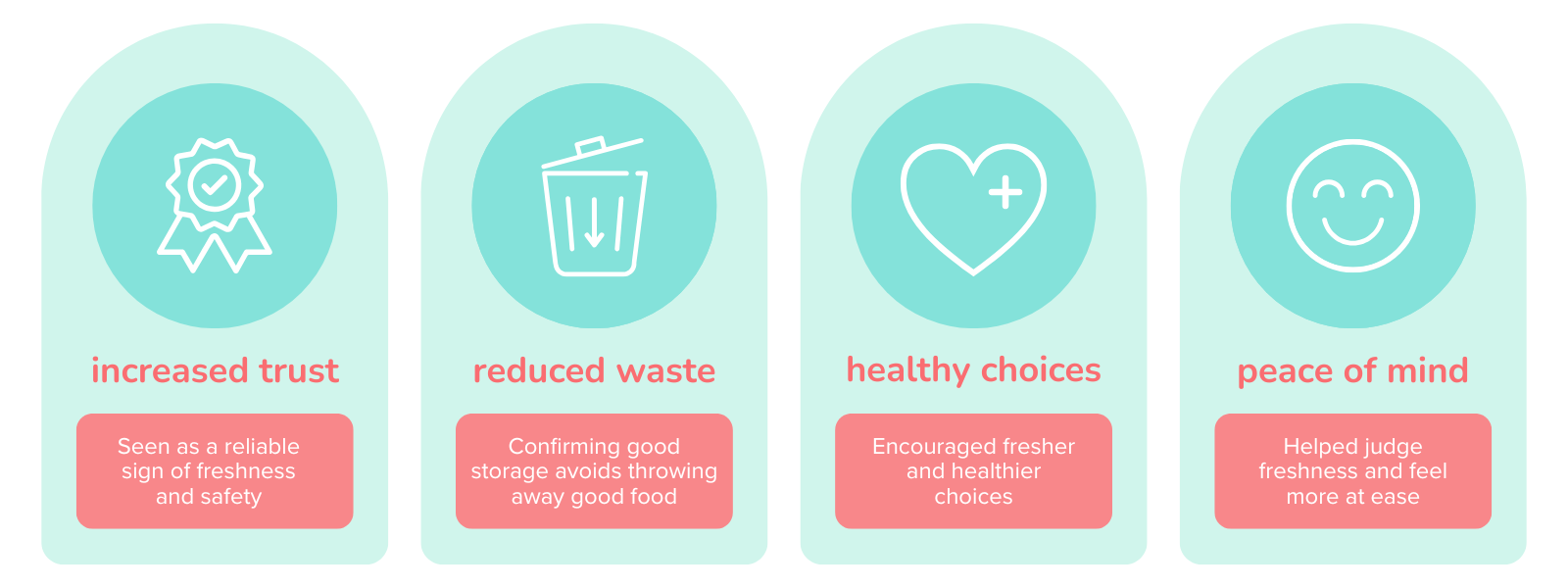
The findings were very encouraging:
Bump is trusted
People responded positively to products featuring Bump, viewing it as a sign of trust, value, and safety. It was seen as a reliable indicator that the food was still good to eat.
Bump helps reduce waste
Bump supports people in wasting less by giving clearer insight into whether food has been safely stored, which is especially useful when making decisions close to the expiry date. People still followed the date and stayed within their comfort levels, but this added reassurance means less good food ends up being thrown away.
A nudge towards freshness and health
Bump encouraged shoppers to pick fresh foods over processed alternatives at a time when many people default to long-life, ultra-processed products, which have around 7x higher carbon footprint to fresh equivalents and now make up about half of EU calorie intake. This shift supports more sustainable choices and healthier eating habits.
Bump gives peace of mind
Confidence levels varied by food type, with different patterns seen for steak, chicken and salmon. People felt more at ease with steak, while chicken and salmon prompted more caution. However, Bump offered reassurance by helping people assess real freshness – beyond just the date printed on the pack.
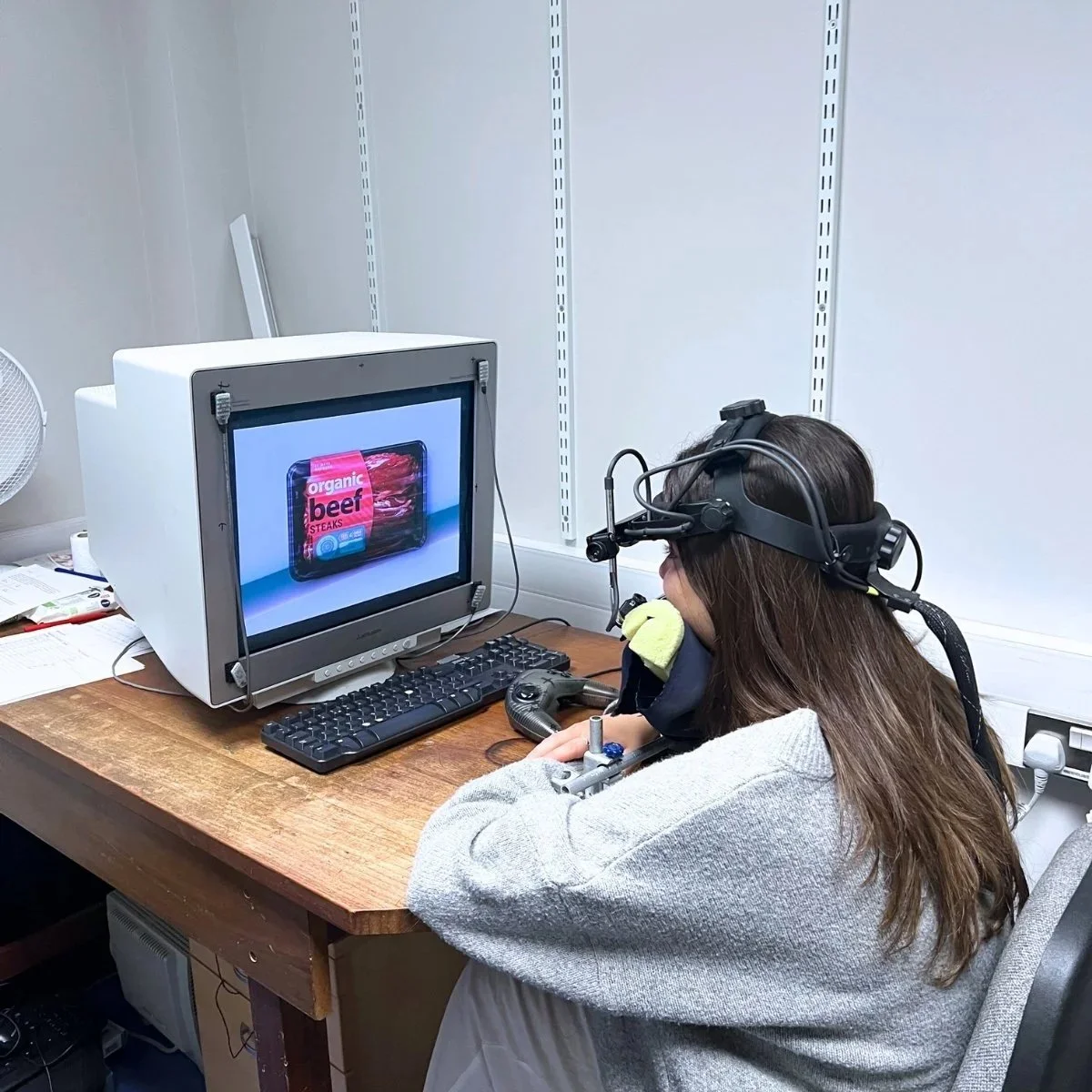
Photo credit: University of Reading
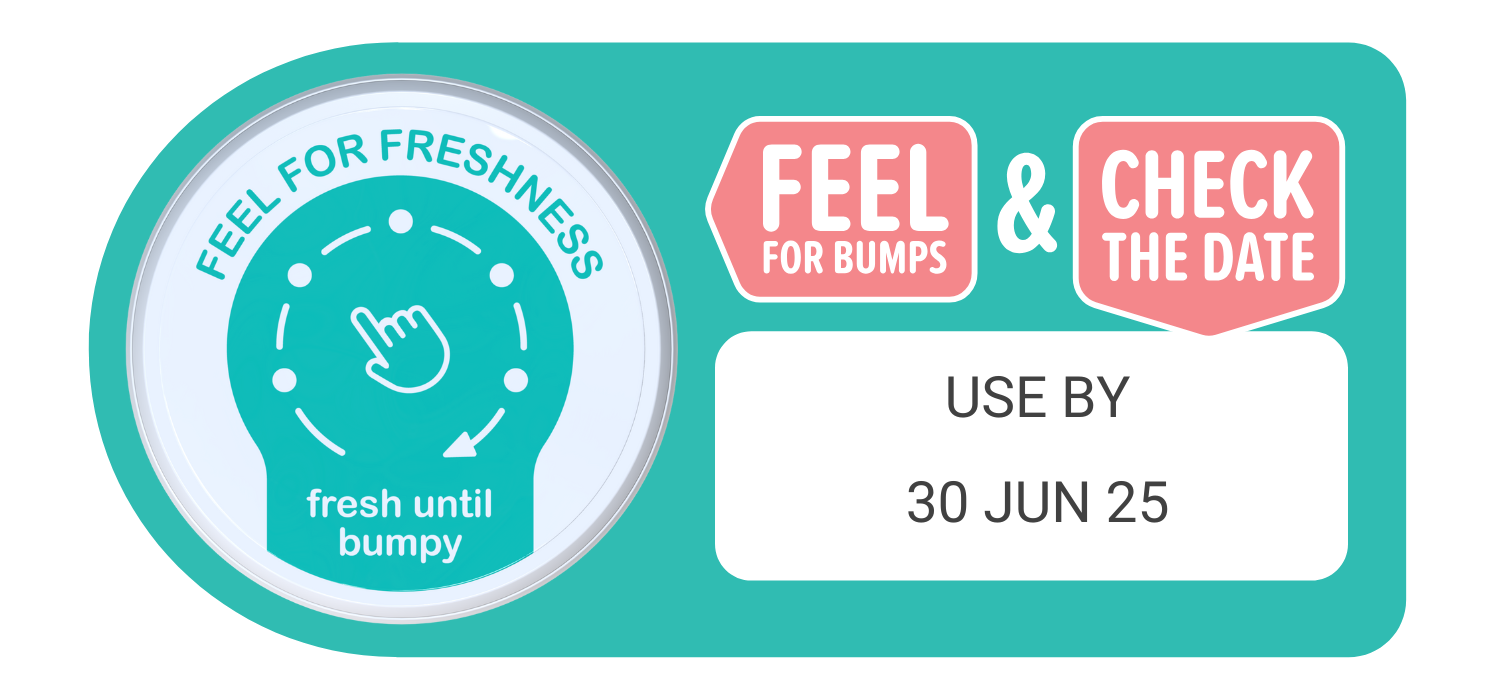
Bump works in tandem with dates, and consumers follow whichever comes first – bumps or the date.
Eye-tracking results
The second phase of the study used cutting-edge eye-tracking technology to explore how consumers make decisions in more realistic shopping environments. The aim was to understand exactly how Bump influences attention, perception and behaviour in the critical moments in the shop and at home.
We can see from the heat maps generated that when people saw the steak pack with just the standard use-by date, that’s where their eyes focused most. But when Bump was added next to the date, it grabbed more attention than the date itself.
Various freshness scenarios were presented to the participants and when asked whether they would eat that food, the eye-tracking showed people focused most of their attention between the use-by date and Bump – meaning they were using both together to decide if the food was still good to eat.
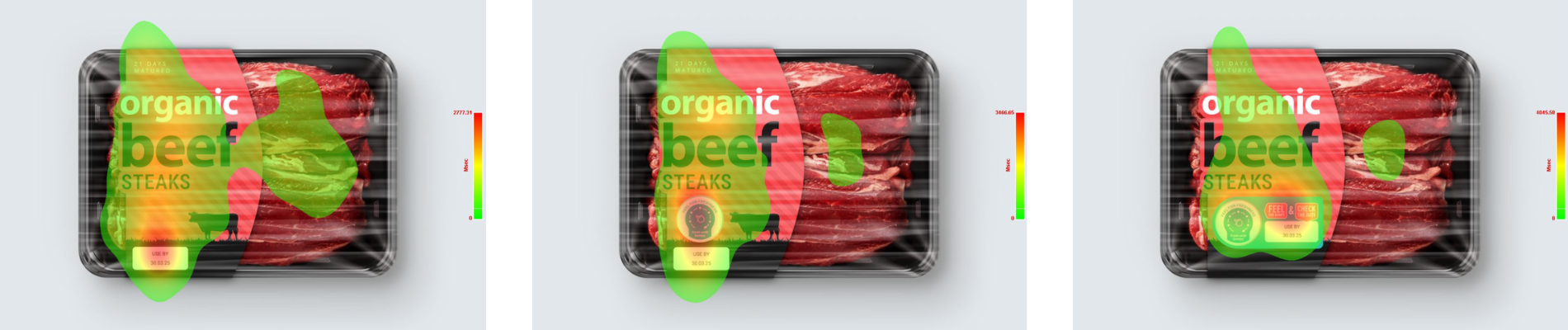
Image credit: University of Reading, Eye-tracking heat-map results. Red spots show where people looked the most and for the longest time, while green areas show places they glanced at briefly.
Implications for brands
The studies showed that people trust Bump and use it to make more sustainable food choices. This means that extending use-by dates in combination with Bump has real potential to drive sustainable behaviour change and could make a significant impact in food waste reduction. Bump also encouraged people to choose fresh options over processed ones, giving brands a great opportunity to build customer loyalty through positive, trust-based messaging.
This study is part of a wider project delivered in partnership with the University of Reading and ABP, one of the UK's leading beef & lamb producers, and funded through EIT Food Impact Funding Framework. The project is designed to introduce Bump technology to high-value food sectors and test its real-world impact on shopping habits.
Interested in learning more? Explore the results Bump achieved in a household steak trial with ABP here or head straight to registering your interest in Bump below!
Project partners: